Wise men and women, known as Cunning Folk have been around for centuries. The actual term Witch, many say, was a Christian construct invented to describe older women who may have lived on their own, usually doing good for the people in their communities. However, the church feared their popularity and so invented stories of witches flying, being in partnership with the devil and doing evil deeds. In the reign of Elizabeth I they were seen as a threat to the established order, as fear of the unknown began to overshadow the respect they had once commanded. The rise of superstition and paranoia in society painted these figures in a negative light, associating them with malevolent practices. The first person known to be hung for witchcraft in modern times was Agnes Waterhouse at Chelmsford in 1566, marking a grim shift in public perception and legal repercussions for those accused of witchcraft. The last was Alice Molland at Exeter in 1684, a poignant reminder of the tragic consequences of hysteria and the persecution of individuals who were often only trying to help their communities. This dark chapter in history serves as a testament to how fear can transform admiration into suspicion and violence, forever altering the fate of countless wise individuals throughout the years.
However, witches have been mentioned much earlier than the 15th Century, according to Professor Diane Purkiss for English Heritage. She notes “that in Homer’s Odyssey (c.800 BC), Circe – who famously turns men into animals – is described as a witch,” a powerful figure wielding magic that can alter the very essence of life. Furthermore, “Plutarch refers to witchcraft in his treatise On Superstition (c.AD 100)”, providing historical context that highlights the long-standing fascination and fear surrounding these mystical practitioners. In fact, Purkiss elaborates that magic features in Roman law statutes, some of which were significantly influential and subsequently passed down to the Christian world, intertwining notions of the supernatural with legal frameworks. These early laws reflect a complex relationship between society and the practice of magic; however, it is essential to note that many of those early laws were really laws against sorcery.
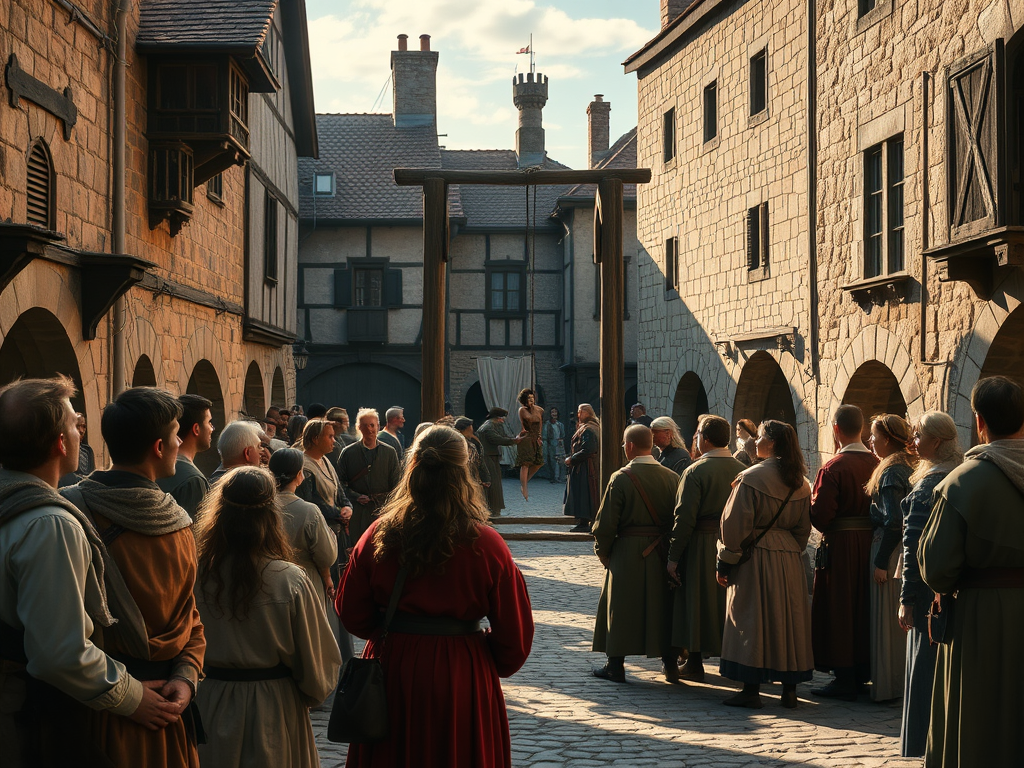
In England, witch trials were conducted from the 15th century until the 18th century, a time marked by superstition and fear of the unknown. They are estimated to have resulted in the death of perhaps 500 people, 90 percent of whom were women, many of whom were falsely accused and subjected to brutal interrogations. The accused were often seen as pariahs in their communities, leading to social and familial ostracism. The witch hunt was at its most intense stage during the English Civil War, as political turmoil and societal unrest created a perfect storm for paranoia to flourish. Amidst this chaos, many individuals were scapegoated, and the fervour of the trials reflected the underlying anxieties of a society grappling with deep-seated fears and the quest for power.
The Pendle Witches
One of the most famous witch trials in Britain was that of the Pendle Witches of Lancashire in 1612, which concluded with the execution of 10 women and men from two families: the Demdike’s and the Chattox’s. This notorious trial has become infamous not only for the tragic fates that befell those accused but also for the socio-political context in which it occurred. Many of the allegations resulted from accusations that members of the families made against each other, perhaps because they were in competition for social standing and resources in a time when fear of witchcraft was rampant. Tensions within the community were exacerbated by economic struggles and personal grievances, leading to a climate of mistrust that ultimately facilitated these dire accusations. Furthermore, the Pendle trial reflected broader societal fears about the supernatural and the perceived threat posed by individuals, particularly women, who diverged from the norms of their time.

Yet it wasn’t just the notorious Pendle witches who were persecuted; there were many others, including prominent figures such as Molly Leigh of Burslem, Stoke-on-Trent, who was known for her mysterious practices that made her both feared and revered within her community. Mother Shipton of Knaresborough, Yorkshire, was another notable name, famous not only for her prophecies but also for her unconventional lifestyle that placed her at odds with societal norms. Granny Boswell and Thomasine Blight from Cornwall each had their own stories intricately woven into the fabric of local folklore. Bessie Dunlop, known as The Witch of Dalry in North Ayrshire, was also part of this grim narrative that enveloped those accused during this tumultuous period. Meg Shelton from Fylde, Lancashire, and Joan Wytte of Bodmin, Cornwall, similarly drew attention, with their fates intertwined with the superstitions and fears of the time. Sybil Leek of Normacot, Staffordshire, gained notoriety for her alleged witchcraft as well, emphasizing the widespread fear of the supernatural.

However, it was Isabel Gowdie of Auldearn, Nairnshire, who stood out in particular due to her detailed confessions. She was a young housewife supposedly taken without the use of torture, which cast a shadow of intrigue upon her case. In her chilling confessions, she claimed to have been in league with the Devil for fifteen long years, revealing a world filled with dark pacts and sinister rituals. She also mentioned knowing Elphame, Queen of the Faeries, hinting at the complex interplay between folklore, witchcraft, and the human desire to understand the mystical forces believed to influence their lives. These stories reflect not only the individual tragedies of these women but also a broader societal fear that led to one of history’s most infamous witch hunts.
These poor wretches were not even given decent burials, either being dumped into pits at the foot of the gallows or at crossroads, an old Anglo Saxon practice, in unconsecrated ground, where the earth remained unblessed and the souls of the deceased were left to wander aimlessly. This cruel fate signified a profound disrespect for their humanity, as if society sought to erase their very existence alongside the stigma of their charges. However, amidst this grim reality, the Pendle witches were buried in a graveyard on Pendle Hill, a location that, while still echoing with the memories of their trials, offered them a semblance of dignity in death, surrounded by the picturesque landscape that now serves as a reminder of their tragic stories and the dark times they endured.
The law in the UK regarding witchcraft significantly changed in 1735 with the passing of the Witchcraft Act, which effectively decriminalised witchcraft and made it illegal to claim magical powers, essentially ending witch trials in Great Britain. This historical shift marked a pivotal moment in the legal treatment of individuals accused of witchcraft, as the previous laws had led to widespread persecution and the execution of many innocent people based on dubious claims and societal fears.

Thanks for reading I know Its a long one. Look out for part 2

The Modern Witch – Witchcraft today is a fascinating and evolving practice that intertwines ancient traditions with contemporary beliefs.


 The Crafty Witch
i love this, so interesting to look at historically how witches were treated, looking forward to part 2, I especially like reading up on Mathew Hopkins and the witch trails of Colchester Castle! X
LikeLiked by 1 person