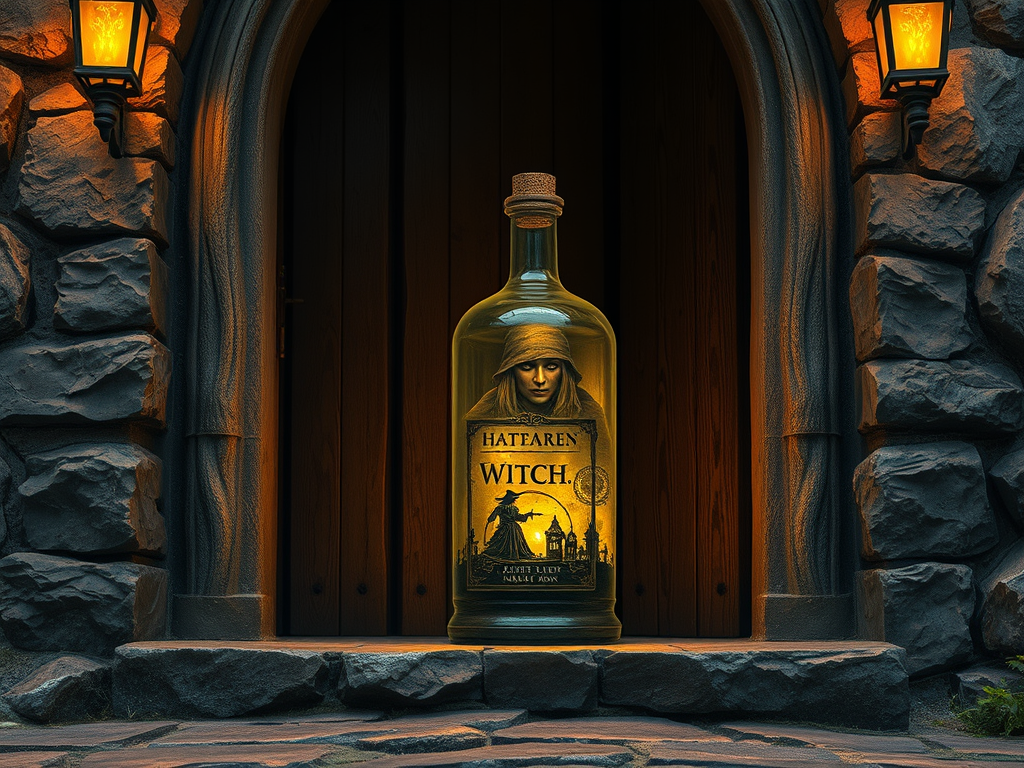
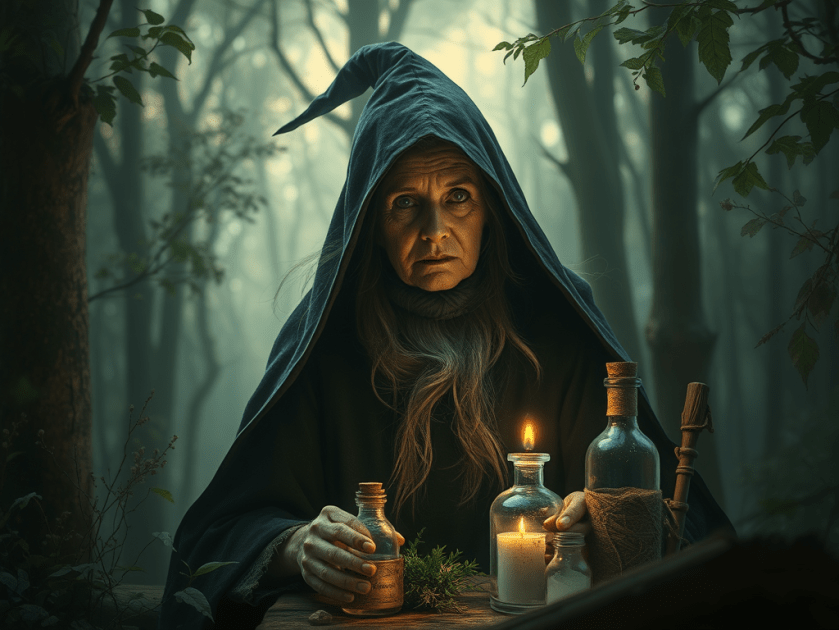
Protection or witchcraft? One of the most known protection aids our ancestors used to protect their homes is the witch bottle, a fascinating artefact steeped in folklore and mystery. Believed to be crafted by knowledgeable individuals of that era, or cunning folk, these bottles were filled with various ingredients, intended to capture and bind malevolent spirits or curses threatening a household. But isn’t this practice paradoxically a form of witchcraft aimed at warding off other witchcraft? This intriguing question invites a deeper exploration into the historical context, societal beliefs, and the fine line between protection and the dark arts, revealing the complexities of human intuition and the lengths to which people have gone to safeguard their sanctuaries from unseen evils.
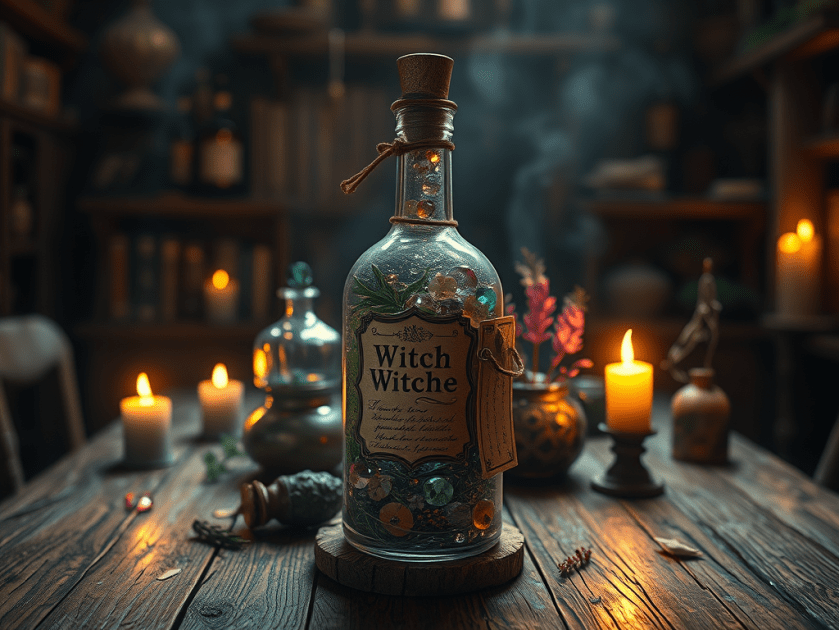
The witch bottle contained a variety of things such as nails, pins, broken glass, hair, and even urine, which thought to hold significant meaning or power, buried outside the front door or within the walls of the home.
The witch bottles brought protection from forces such as a spell or curse, the witches familiar terrorising their property, a witch in spirit form, or a mix of these. However, the biggest fear was the witch herself who was believed to be able to slip through gaps in doors, keyholes, open windows etc.
The way it was believed to work was that the witch would be attracted to the urine due to its potent and unique properties, mistaking it for the intended recipient of their wrath. This profound misunderstanding would lead the witch to become ensnared in the prepared bottle, where she would remain trapped, a victim of her own misdirection. It was thought that the very essence of the person’s life force, contained within the urine, would create a magnetic pull, drawing the witch towards it, ultimately sealing her fate.
So were our ancestors using the knowledge and wares of the cunning folk to protect themselves from perceived evil of witches. It would appear so, as throughout history, various cultures have developed elaborate rituals and protective measures, often invoking spiritual entities or crafting talismans, thereby demonstrating humanity’s longstanding fear of malevolent forces that could disrupt the harmony of daily life. As we analyse these practices, we uncover a fascinating tapestry of folklore and magic that has evolved over centuries, illustrating how the desire for security intertwines with the very essence of belief in the supernatural. Ultimately, this blend of tradition and fear begs the question: are these protective acts merely pragmatic responses to the unknown, or do they reflect a deeper, more intrinsic connection to the mystical realms beyond our understanding?
Tell me what do you do to protect yourself or home, for example do you hang up a horse shoe over your front door? Or knock on wood for good luck? Join me next time when I look at some of these ‘old wive’s tales, their origin and other home protect spells and charms.
I’ve always been interested in the history of witches but never explored it deeply. Since childhood, I’ve been open to other realms, faeries, and the energies I sense around people and in nature, often feeling an inexplicable connection to the mystical and unseen. In my games I was always a kind witch who helped the people in my village. Interestingly it was always a cup of tea I gave to help with their problems.
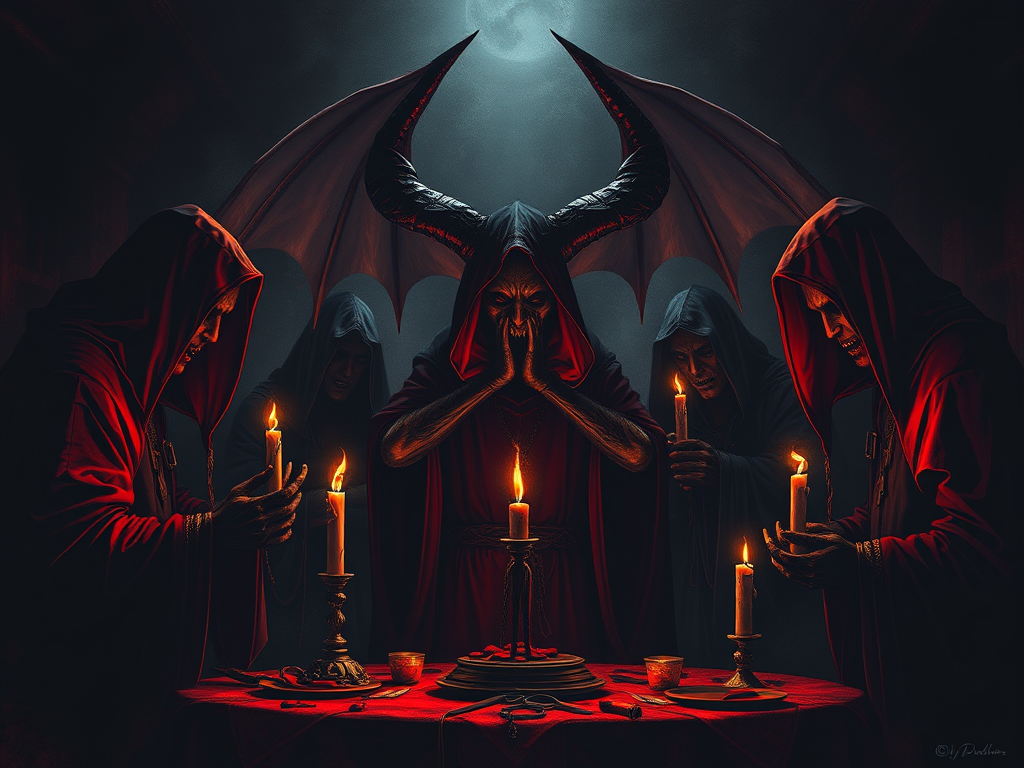
In my early teens, I discovered Dennis Wheatley books about the Occult, which opened up a whole new world of fascination for me; I devoured his books about the Devil, worship, and various rituals, eager to learn more about these mysterious practices. Each page was an adventure, diving deeper into the arcane traditions and beliefs that surrounded the supernatural, it was also frightening which I guess was part of the attraction, however, that fear has remained, although I believe the Devil is a Christian construct the dark side of the path or baneful magic still holds a fear for me which I believe is a useful thing as all magic should be be in balance, a useful message from Sally Walker of Mama’s Magic and Mojo
I was particularly captivated by concepts such as astral projection, not to be confused with “Path Walking” and reincarnation, both of which promised a connection to realms beyond our mortal existence. The idea of exploring the astral plane while my body lay asleep filled me with wonder, while the thought of past lives beckoned me to consider my own existence in a broader context.
I knew nothing of Wheatley or his life, yet his evocative storytelling seemed to bridge the gap between my reality and the fantastical world he portrayed, sparking a lifelong interest in the mystical and the unknown.
Over the years, I’ve had a fluctuating spiritual journey; for instance, I was really into crystals for a time and would meditate with them regularly, allowing their energies to envelop me and fill my surroundings with a tranquil atmosphere. I used them in various ways, including during my work with clients, where I would carefully select specific stones to enhance the healing process and promote a deeper emotional release. Additionally, I made it a ritual to cleanse my space between clients, ensuring that each new session began with a clean slate and positive energy flowing throughout the room. However, as time went on, I gradually put them away, though I cannot remember why; perhaps it was the demands of daily life or a shift in my focus toward other spiritual practices that led me to set them aside, leaving me with a sense of nostalgia for the moments when I relied so heavily on their presence.
For a while I felt drawn to oracle cards. While browsing in a shop I felt compelled to buy a set, “The Faeries’ Oracle by Brian Froud, I loved the art work and felt very drawn to them. I studied their meaning from the book that accompanies them and then developed my own interpretations based on my connection with them. I only ever used them for myself, but again I set them aside as my interest grew.
Eventually, I was initiated into level 1 Reiki, where I learned to channel healing energy, studied the chakras to understand the flow within me, and more recently, began to research the law of attraction, exploring how our thoughts shape our realities. However, last year I went to Haworth, and something changed for me. I felt all the past experiences I had with my spiritual journey had culminated into one pivotal moment; it was as if the universe aligned, and I knew I had to explore witchcraft and the old ways, seeking knowledge and connection with the earth’s energies. It ignited a passion within me that I had never fully acknowledged, pushing me to delve deeper into the practices and beliefs that resonate with my soul. So here I am, ready to embark on a new path and see where it leads me, eager to uncover the wisdom of the ancients and learn how to harness the powers that lie within and around me.
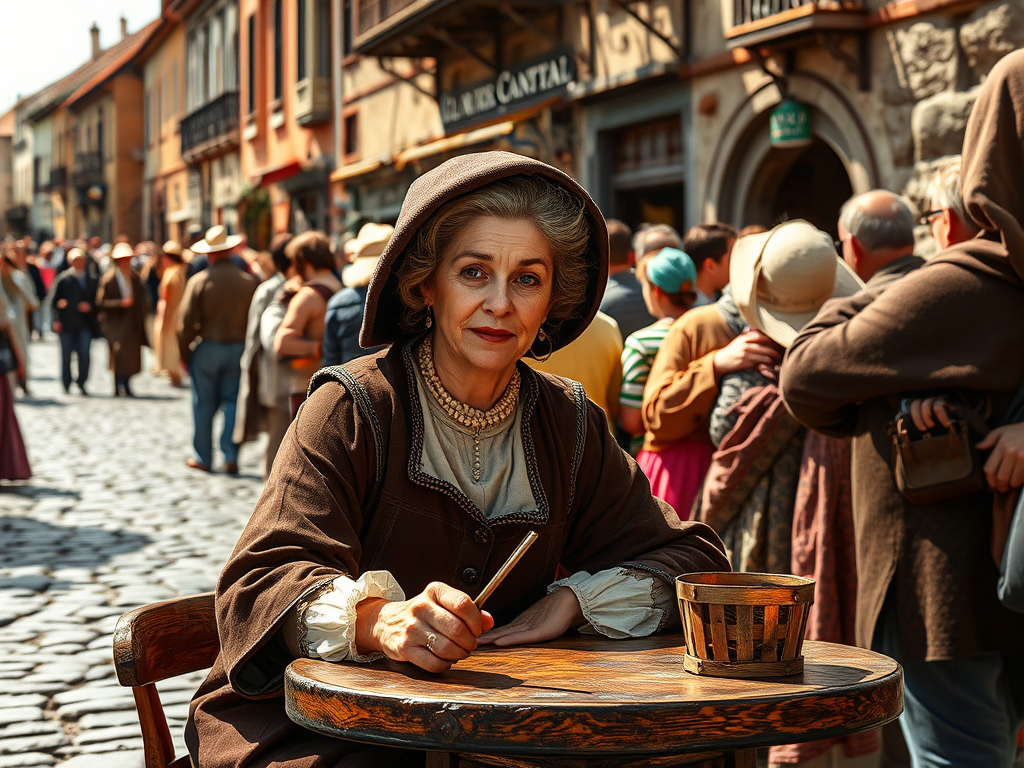
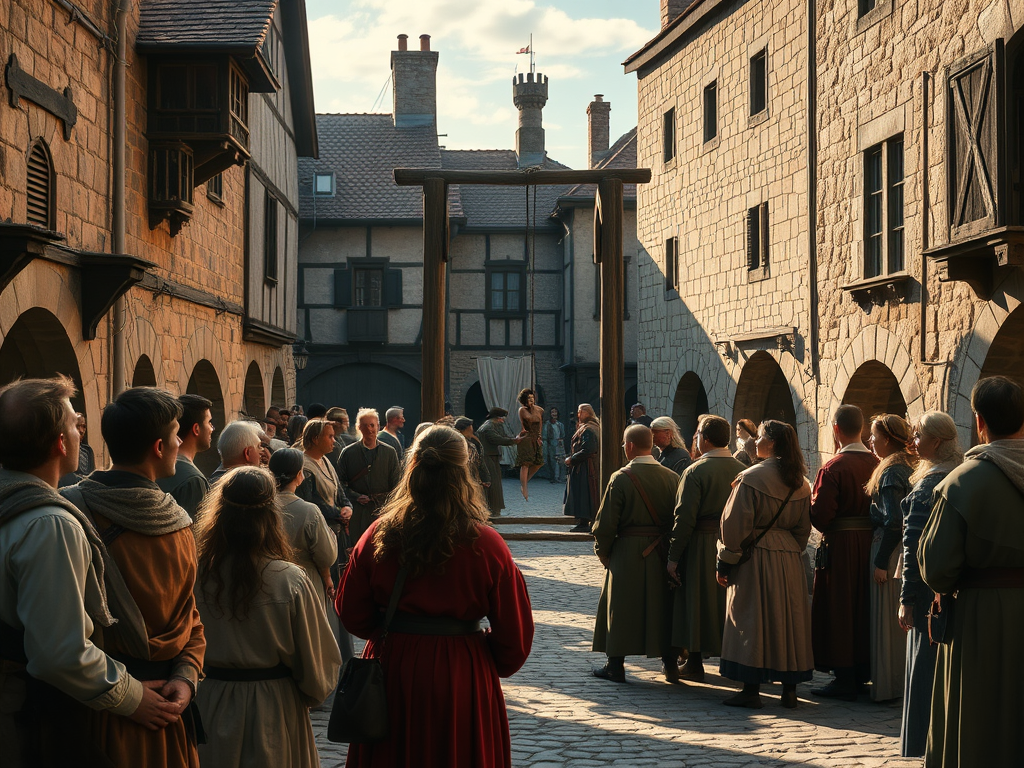
Wise men and women, known as Cunning Folk have been around for centuries. The actual term Witch, many say, was a Christian construct invented to describe older women who may have lived on their own, usually doing good for the people in their communities. However, the church feared their popularity and so invented stories of witches flying, being in partnership with the devil and doing evil deeds. In the reign of Elizabeth I they were seen as a threat to the established order, as fear of the unknown began to overshadow the respect they had once commanded. The rise of superstition and paranoia in society painted these figures in a negative light, associating them with malevolent practices. The first person known to be hung for witchcraft in modern times was Agnes Waterhouse at Chelmsford in 1566, marking a grim shift in public perception and legal repercussions for those accused of witchcraft. The last was Alice Molland at Exeter in 1684, a poignant reminder of the tragic consequences of hysteria and the persecution of individuals who were often only trying to help their communities. This dark chapter in history serves as a testament to how fear can transform admiration into suspicion and violence, forever altering the fate of countless wise individuals throughout the years.
However, witches have been mentioned much earlier than the 15th Century, according to Professor Diane Purkiss for English Heritage. She notes “that in Homer’s Odyssey (c.800 BC), Circe – who famously turns men into animals – is described as a witch,” a powerful figure wielding magic that can alter the very essence of life. Furthermore, “Plutarch refers to witchcraft in his treatise On Superstition (c.AD 100)”, providing historical context that highlights the long-standing fascination and fear surrounding these mystical practitioners. In fact, Purkiss elaborates that magic features in Roman law statutes, some of which were significantly influential and subsequently passed down to the Christian world, intertwining notions of the supernatural with legal frameworks. These early laws reflect a complex relationship between society and the practice of magic; however, it is essential to note that many of those early laws were really laws against sorcery.
In England, witch trials were conducted from the 15th century until the 18th century, a time marked by superstition and fear of the unknown. They are estimated to have resulted in the death of perhaps 500 people, 90 percent of whom were women, many of whom were falsely accused and subjected to brutal interrogations. The accused were often seen as pariahs in their communities, leading to social and familial ostracism. The witch hunt was at its most intense stage during the English Civil War, as political turmoil and societal unrest created a perfect storm for paranoia to flourish. Amidst this chaos, many individuals were scapegoated, and the fervour of the trials reflected the underlying anxieties of a society grappling with deep-seated fears and the quest for power.
The Pendle Witches
One of the most famous witch trials in Britain was that of the Pendle Witches of Lancashire in 1612, which concluded with the execution of 10 women and men from two families: the Demdike’s and the Chattox’s. This notorious trial has become infamous not only for the tragic fates that befell those accused but also for the socio-political context in which it occurred. Many of the allegations resulted from accusations that members of the families made against each other, perhaps because they were in competition for social standing and resources in a time when fear of witchcraft was rampant. Tensions within the community were exacerbated by economic struggles and personal grievances, leading to a climate of mistrust that ultimately facilitated these dire accusations. Furthermore, the Pendle trial reflected broader societal fears about the supernatural and the perceived threat posed by individuals, particularly women, who diverged from the norms of their time.
Yet it wasn’t just the notorious Pendle witches who were persecuted; there were many others, including prominent figures such as Molly Leigh of Burslem, Stoke-on-Trent, who was known for her mysterious practices that made her both feared and revered within her community. Mother Shipton of Knaresborough, Yorkshire, was another notable name, famous not only for her prophecies but also for her unconventional lifestyle that placed her at odds with societal norms. Granny Boswell and Thomasine Blight from Cornwall each had their own stories intricately woven into the fabric of local folklore. Bessie Dunlop, known as The Witch of Dalry in North Ayrshire, was also part of this grim narrative that enveloped those accused during this tumultuous period. Meg Shelton from Fylde, Lancashire, and Joan Wytte of Bodmin, Cornwall, similarly drew attention, with their fates intertwined with the superstitions and fears of the time. Sybil Leek of Normacot, Staffordshire, gained notoriety for her alleged witchcraft as well, emphasizing the widespread fear of the supernatural.
However, it was Isabel Gowdie of Auldearn, Nairnshire, who stood out in particular due to her detailed confessions. She was a young housewife supposedly taken without the use of torture, which cast a shadow of intrigue upon her case. In her chilling confessions, she claimed to have been in league with the Devil for fifteen long years, revealing a world filled with dark pacts and sinister rituals. She also mentioned knowing Elphame, Queen of the Faeries, hinting at the complex interplay between folklore, witchcraft, and the human desire to understand the mystical forces believed to influence their lives. These stories reflect not only the individual tragedies of these women but also a broader societal fear that led to one of history’s most infamous witch hunts.
These poor wretches were not even given decent burials, either being dumped into pits at the foot of the gallows or at crossroads, an old Anglo Saxon practice, in unconsecrated ground, where the earth remained unblessed and the souls of the deceased were left to wander aimlessly. This cruel fate signified a profound disrespect for their humanity, as if society sought to erase their very existence alongside the stigma of their charges. However, amidst this grim reality, the Pendle witches were buried in a graveyard on Pendle Hill, a location that, while still echoing with the memories of their trials, offered them a semblance of dignity in death, surrounded by the picturesque landscape that now serves as a reminder of their tragic stories and the dark times they endured.
The law in the UK regarding witchcraft significantly changed in 1735 with the passing of the Witchcraft Act, which effectively decriminalised witchcraft and made it illegal to claim magical powers, essentially ending witch trials in Great Britain. This historical shift marked a pivotal moment in the legal treatment of individuals accused of witchcraft, as the previous laws had led to widespread persecution and the execution of many innocent people based on dubious claims and societal fears.
Thanks for reading I know Its a long one. Look out for part 2
The Modern Witch – Witchcraft today is a fascinating and evolving practice that intertwines ancient traditions with contemporary beliefs.
Do you ever wonder if you fit into a Witch kind of category? Perhaps you find yourself resonating with the earthy practices of a green-witch who draws inspiration from nature, or maybe the wise, intuitive ways of a hedge-witch whose work blurs the boundaries between the physical and spiritual realms. On the other hand, you might just do your own thing and not worry about fitting into any specific mold, embracing a more eclectic approach to your craft.
lets explore!
So I did a search and was pleasantly surprised at the multitude of results that appeared on the screen! It dawned on me just how overwhelming the information can be, especially when so many sources offer differing perspectives. No wonder it can be confusing! In another search, it suggested 45 different witches, each with their own unique characteristics, histories, and roles in various cultures, leaving me both fascinated and somewhat bewildered at the sheer variety of interpretations and representations of witchcraft throughout time and across the globe.
I decided I couldn’t possibly discuss here every type, as that would take far too long and would overwhelm you with information, so I thought I’d look in more depth at some specific types that resonate with me personally and have had a significant impact on my life experiences. By focusing on these particular types, I hope to provide a more meaningful exploration that can shed light on why they stand out and what unique insights they offer.
The Green Witch
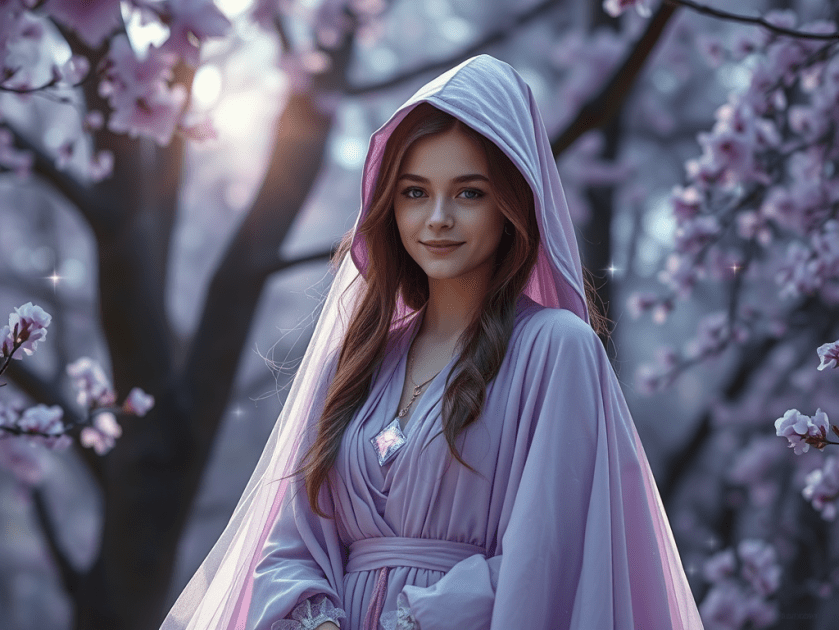
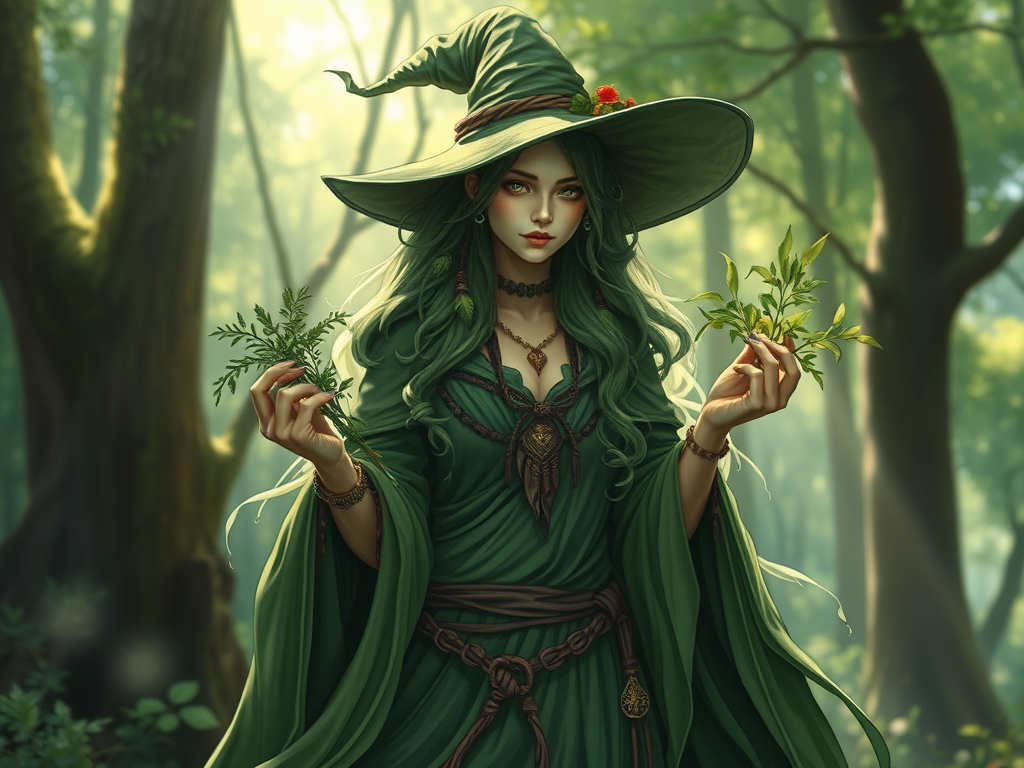
A green witch is someone who practices witchcraft that’s centered on nature, drawing inspiration from the earth and its cycles. They are often herbalists, naturalists, and healers, knowledgeable in the properties of various plants and the secrets of the natural world. Green witches believe that the natural world is alive and full of magical energy, viewing each tree, stone, and creature as imbued with its own spirit and purpose. They work in harmony with nature, cultivating their gardens and foraging for wild herbs, while striving to achieve balance and well-being in both their lives and the environment around them. By honoring the elements, seasons, and lunar phases, they create rituals that not only connect them to the earth but also enhance their spiritual practice, fostering a deeper understanding of their place within the web of life.
A Folk Witch
A “folk witch” is a practitioner of folk magic, which means they use magical practices rooted in the local folklore and traditions of their region, often incorporating plants, animals, and spirits native to their area, and usually passed down through family or community knowledge; essentially, a witch who draws on the “folk magic” of their local culture and environment. These practitioners often engage in rituals and spellwork that reflect the beliefs and customs specific to their community, utilizing everyday materials found in nature, such as herbs for medicinal purposes or natural elements like stones and water for their symbolic meanings. The spiritual practices of a folk witch can vary widely from one region to another and may include elements of divination, healing, and protection, all deeply intertwined with the history and narratives of the people they serve. Through storytelling, shared experiences, and the transmission of age-old wisdom, folk witches play a crucial role in preserving and honoring the cultural heritage of their communities, ensuring that ancient traditions are kept alive for future generations to learn from and cherish.
A Chaos Witch
A “chaos witch” is a practitioner of witchcraft who actively incorporates the principles of “chaos magic,” meaning they prioritize personal experimentation, flexible belief systems, and creating their own unique magical practices rather than adhering to strict traditional magical rules or established deities. This approach allows chaos witches to explore various methodologies, enabling them to learn from a vast array of magical traditions, philosophies, and rituals. Often drawing from a diverse range of sources, including ancestral wisdom, contemporary spiritual practices, and even pop culture, they adapt and modify elements to suit their own intentions and desires, constantly evolving their craft. Embracing the unpredictable nature of chaos, they understand that this fluidity can lead to unexpected and transformative outcomes, pushing the boundaries of what is possible in their quest for personal empowerment and fulfillment. Ultimately, chaos witches thrive in the realm of possibility, crafting their own magical journeys with creativity and an open mind.
Conclusion
The things that unite witches are far greater than those that separate them. It doesn’t seem to matter which type of witch you identify with because it’s personal to the individual; the essence of witchcraft transcends specific paths and traditions, embracing a rich tapestry of shared experiences, beliefs, and rituals. This profound connection manifests in the way witches support one another, celebrate their unique gifts, and collaborate to create a more harmonious existence. Whether one practices a particular form of magic, follows a specific belief system, or engages in traditionally feminine arts, the bond formed through mutual respect and understanding is what truly defines the witching community. In this way, every witch, regardless of their unique practices, contributes to a collective strength that fosters growth, acceptance, and empowerment.
I’d love to hear your thoughts on this fascinating subject, as it opens up a myriad of possibilities and discussions that are both engaging and insightful. Before I sign off, I encourage you to take a moment to look out for these related posts that delve deeper into various aspects, providing more context and depth to what we’ve talked about, ensuring a well-rounded understanding of the topic at hand.
What Witch Craft means to me – a powerful exploration of my journey and a clear vision for where I am headed.
The History of a British Witch – showcasing the remarkable journey of witches in the United Kingdom, marked by their triumphs and challenges.
I am immensely grateful for your presence here. As this is my first post, I felt compelled to share my experience of celebrating Imbolc a few weeks ago. It was the first official acknowledgment of a Sabbath as a Witch, although I have consistently celebrated the arrival of spring annually, as it is an event that consistently fills me with pleasure and hope.
Since I started on this path, I have been reading and researching, learning all I can, which if you are on a similar path, you’ll know the information appears infinite; thus, I guess learning is a continuous process that nourishes the soul and enriches the mind in countless ways. Each new piece of knowledge serves as a stepping stone, guiding me deeper into understanding the mysteries of life and spirituality. Anyway, as Imbolc approached, I found that the symbolism surrounding the sabbath resonated with me on a profound level, awakening within me a sense of connection to the cycles of nature. It felt essential to honor this time of year, so I decided to celebrate it with a meditation of thanks for the renewal and promise of the return of the sun and light, acknowledging the gradual lengthening of days and the awakening of the earth. In this quiet moment of reflection, I penned some poetry, expressions of gratitude and hope, which you can find on my home page, where I delve into the beauty of the season. Additionally, I created an image to accompany my Grimoire, capturing the essence of the transition from winter to spring and the vibrant energy that accompanies it; this artwork is also available in the gallery for those who wish to see the visual manifestation of this symbolic shift.
Imbolc, also referred to as Saint Brigid’s Day, is a significant celebration that belongs to the eight sabbaths observed in the pagan tradition. This traditional festival is held with great anticipation and reverence on the 1st or 2nd of February each year in the Northern Hemisphere. It marks a crucial period, approximately six weeks before the Spring Equinox, when the natural world begins to awaken from its winter slumber. During Imbolc, there is a profound sense of promise as the sun gradually returns, bringing with it the much-needed warmth to the Earth. This warmth heralds the arrival of new life, symbolised by the tender spring lambs that begin to appear in the fields. Additionally, the seeds beneath the soil start to stir, signalling the impending growth and renewal of the land. The celebration of Imbolc is a testament to the enduring cycle of life and the hope it brings for the coming season.
Magically, this is a time for purification and cleansing, a sacred season that invites us to reflect deeply on our inner selves and aspirations. As we cleanse both our spaces and our spirits, we have the unique opportunity to plan our intentions and set them with meaningful spells and rituals that resonate with the energies of renewal. This period imbues our intentions with a sense of purpose and connection to the earth’s cycles. I have a video on YouTube of my Imbolc celebration, where I share a small meditation while setting an intention; if you’d like to check it out, it could serve as inspiration for your own practices and help you connect with the magic of this transformative time.













 The Crafty Witch