
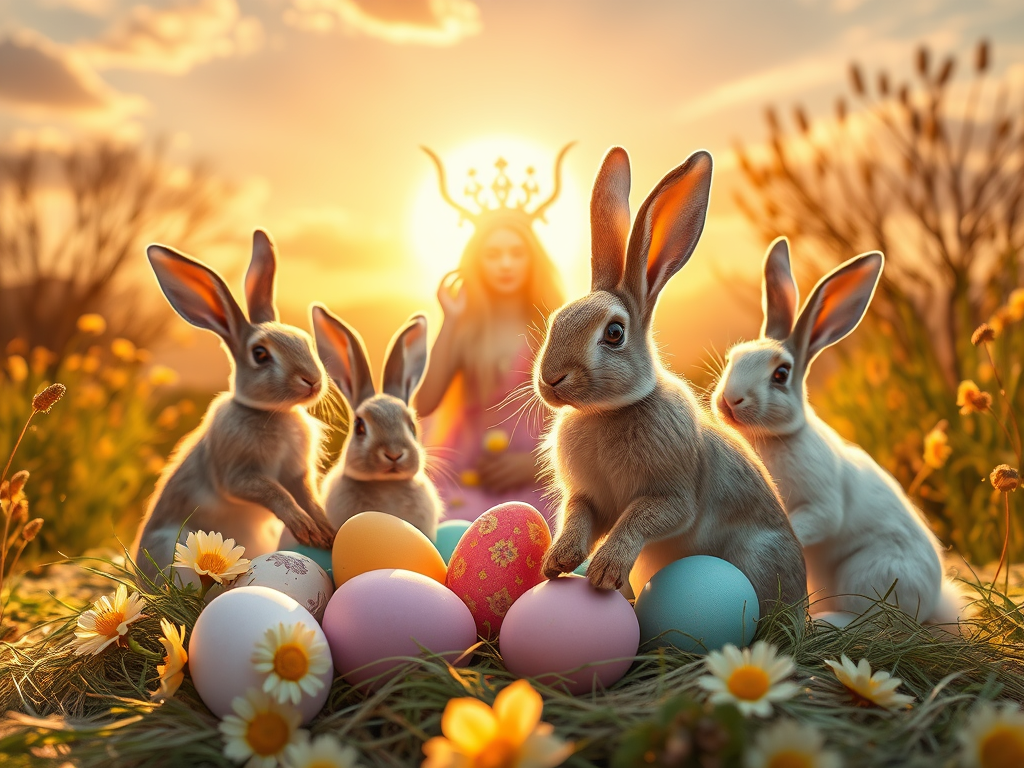
The Spring Equinox, or Ostara has clear Germanic roots coming from the Anglo-Saxon goddess Eostre, who was associated with dawn, fertility, and spring is celebrated by many. Ostara adopted into the Wiccan wheel of the year, marks a pivotal moment when day and night achieve perfect balance, signifying a harmonious equilibrium in nature. This event heralds the awakening of the earth from its quiet winter repose, as vibrant blossoms burst forth and daylight extends its reach, infusing the world with renewed vigour and life. Ostara is often honoured with ancient rituals that embrace themes of fertility, renewal, and the celebration of the burgeoning light. Traditional symbols such as eggs and hares are prominently featured, representing the concepts of rebirth and abundance.
During Ostara, individuals are encouraged to engage in personal reflection and to set intentions for the coming months. This period serves as an opportunity to contemplate one’s own growth and development, aligning personal goals with the natural rhythms of the earth. As communities come together, they collectively welcome the warmth and vitality of spring, fostering a sense of unity and shared purpose.

Celebrations of Ostara can vary widely, often incorporating elements such as the planting of seeds, decorating with flowers, or participating in group meditations and affirmations. Many choose to spend time outdoors, reconnecting with nature and enjoying the invigorating energy of the season. Feasts featuring seasonal produce and traditional foods, such as sweet breads, are common, symbolising the bounty and potential of the earth as it stirs to life.
As the days grow longer, Ostara invites us to embrace the potential for new beginnings, encouraging us to shed the old and welcome the new. It is a time to celebrate the cycles of life, recognising both the fragility and resilience of nature, and to find inspiration in the rejuvenating power of spring.
In the Northern Hemisphere, the spring equinox, also known as the vernal equinox, signifies the start of spring and carries a rich cultural and astronomical significance. The term “vernal” is derived from the Latin word “vernalis,” meaning “relating to or occurring in spring.” This astronomical event typically takes place on either the 20th or 21st of March each year. It marks the precise moment when the sun crosses the celestial equator as it moves northwards, resulting in day and night being nearly equal in length across the globe.

The vernal equinox has been observed and celebrated across various cultures throughout history. It represents not only the beginning of spring but also a time of renewal and rejuvenation, as the natural world begins to awaken after the dormancy of winter. Many ancient civilisations, including the Egyptians, Mayans, and Persians, recognised the equinox as a pivotal moment in the calendar, often aligning their agricultural and religious rituals with this celestial event.

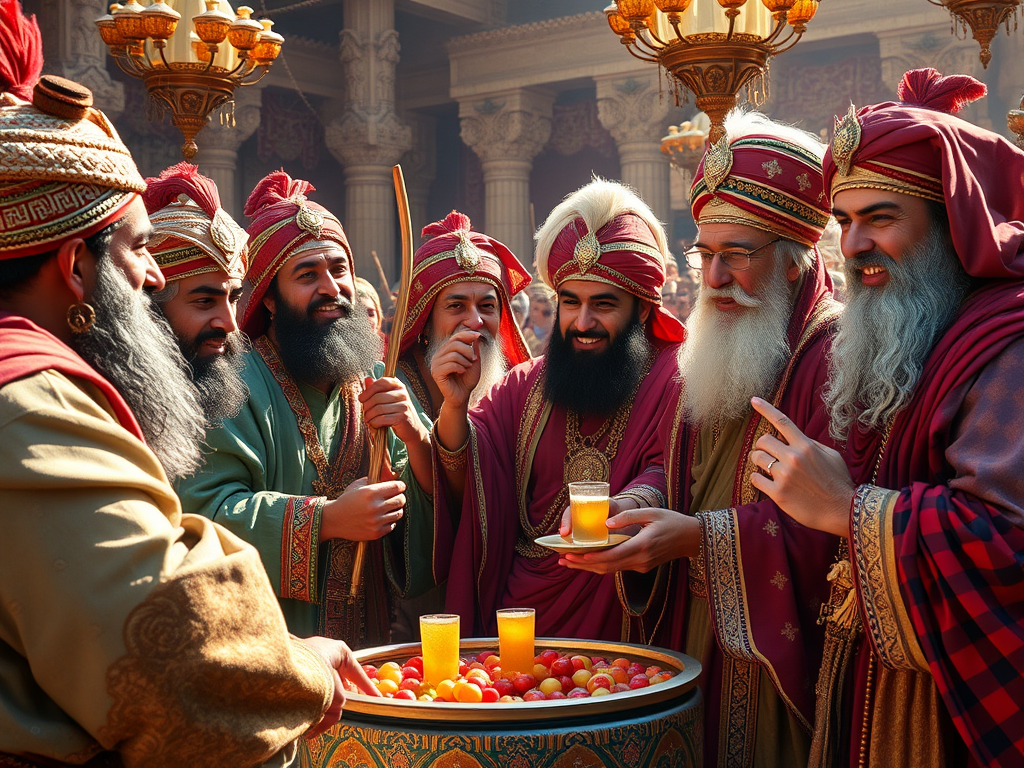
In addition to its scientific importance, the vernal equinox has inspired numerous cultural celebrations and festivals. For instance, the ancient Persians celebrated Nowruz, the Persian New Year, around the time of the equinox, marking the occasion with feasts, music, and communal gatherings. Similarly, in many parts of the world today, people continue to observe the equinox with various customs and rituals, recognising it as a time of balance, new beginnings, and the flourishing of life.
The equinox is also seen as a time of introspection and balance, encouraging individuals to reflect on their own lives, set new goals, and embrace the changes that come with a new season. As such, the vernal equinox not only heralds the changing of the seasons but also inspires people worldwide to welcome a time of growth, harmony, and transformation.
Spring equinox rituals hold a special place in various cultures, marking the transition from winter to spring and celebrating the rebirth of nature. Across the globe, these rituals are steeped in tradition and symbolism, resonating with the themes of renewal, growth, and awakening.
Waking at sunrise is a beautiful and spiritual tradition observed by many. This practice allows participants to greet the sun and acknowledge the increasing daylight, symbolising the triumph of light over darkness. It is a moment of reflection and gratitude for the warmth and vitality that the sun brings, encouraging a sense of personal renewal and positivity.
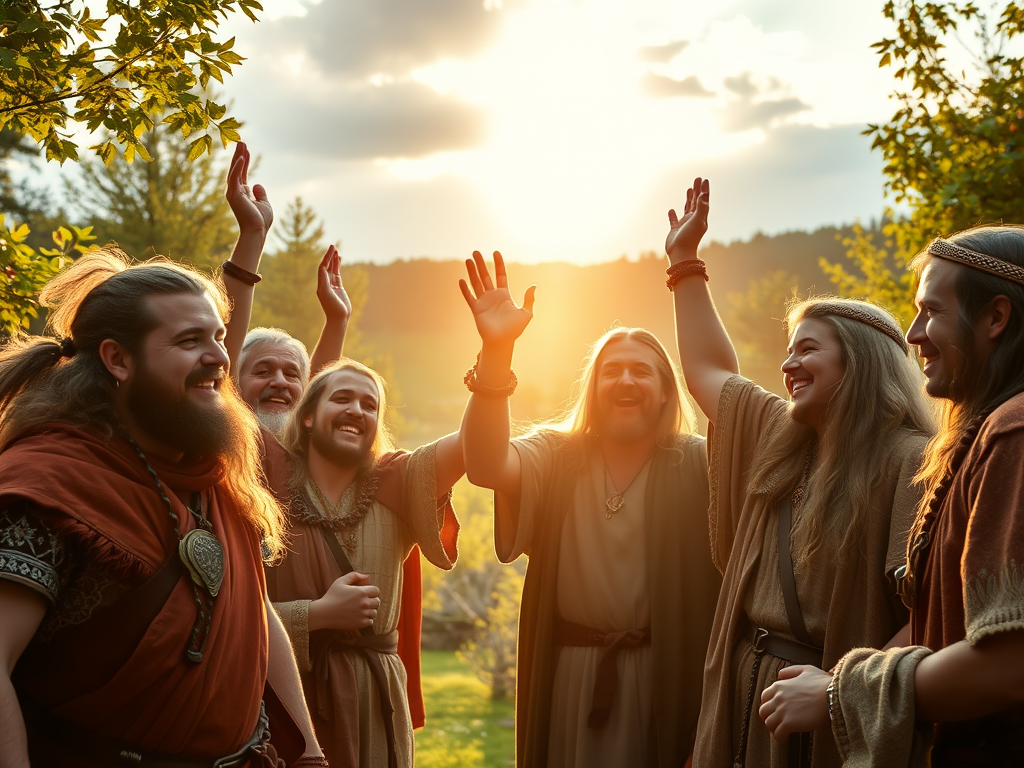
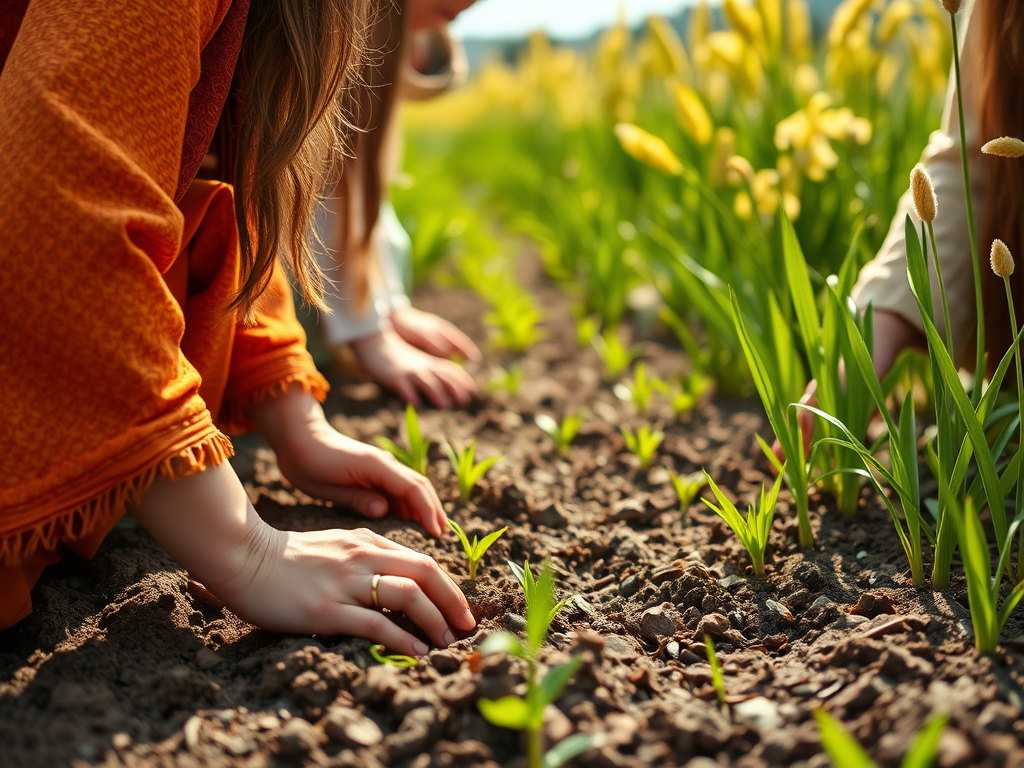
Engaging with nature through planting seeds or gardening is a common practice during the equinox. This act is a powerful symbol of new beginnings and growth, as people prepare their gardens for the warmer months ahead. Gardening not only nurtures the earth but also nurtures the spirit, fostering a connection with the natural cycle of life and encouraging mindfulness.

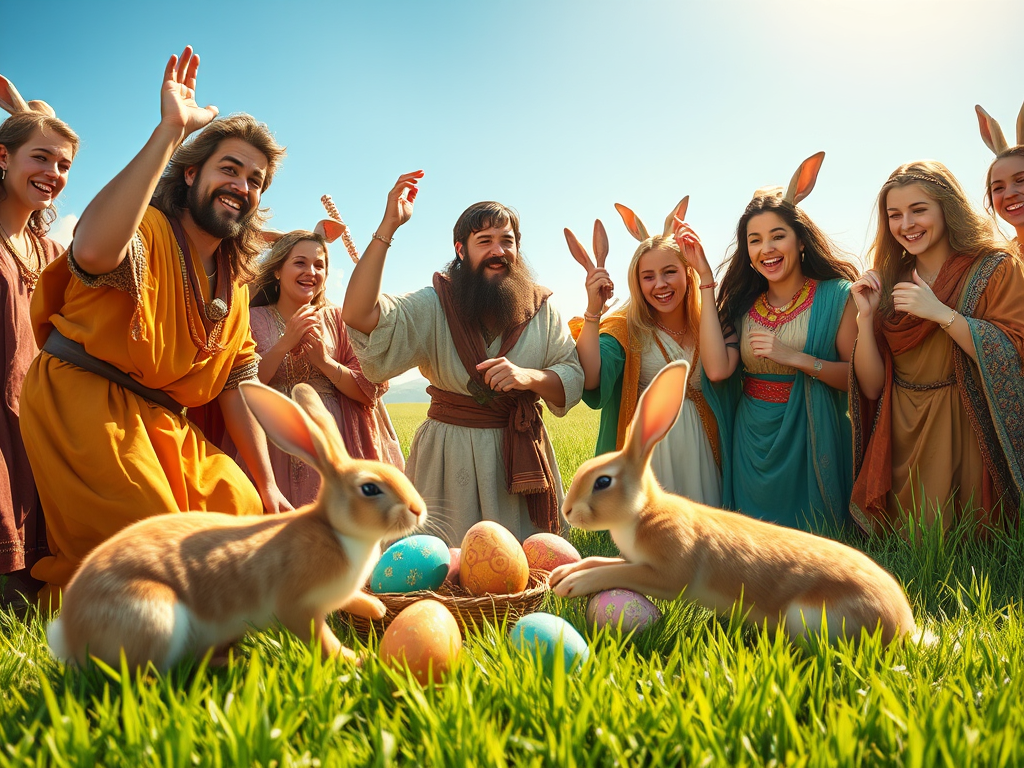
Playful activities such as egg races, egg hunts, egg eating, and egg painting evoke themes of fertility and renewal. Eggs, representing new life, become a focal point of these celebrations. These activities add a layer of lightheartedness and joy, engaging participants of all ages in traditions that honour the life-giving forces of nature.
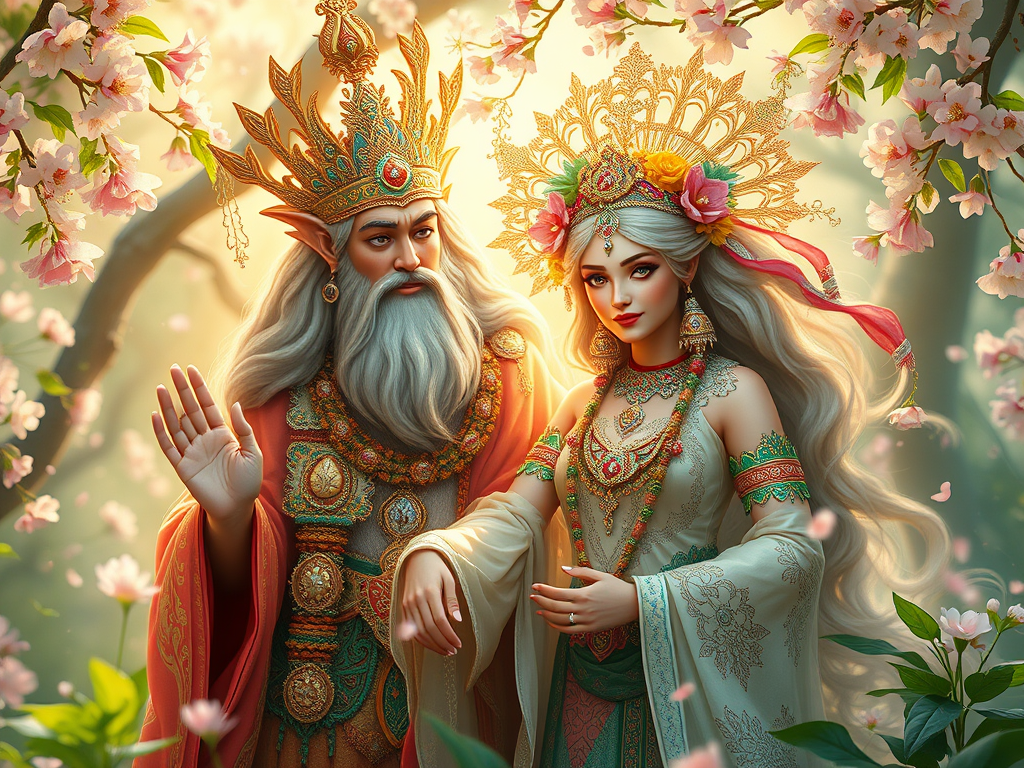
A fun and symbolic element of these celebrations is the choosing of a man and a woman to act out the roles of Spring God and Goddess. These roles embody the spirit of the season, bringing an air of festivity and mysticism to the event. This tradition, rich in imagery and symbolism, serves to celebrate not only the season’s renewal but also the enduring human connection to the earth and its cycles.
Community gatherings often feature bonfires, serving as both practical and symbolic elements. Around these fires, people gather to share stories, rekindle connections, and bask in the warmth and light. The bonfire symbolises unity, igniting the spirit of community and cooperation as individuals share in the collective joy of the season. Bonfires are a traditional part of celebrating the spring equinox, particularly in Celtic and some other traditions. They represent the return of light and warmth after the winter months and ward off evil spirits.
In Celtic and Pictish cultures, bonfires were lit on the spring equinox to honour the sun and invoke its warmth and vitality. They were also believed to purify the land for the upcoming growing season. People would gather around the fires, dancing, singing, and offering prayers for prosperity and growth. The practice of lighting bonfires on the spring equinox is also found in other traditions, such as some Slavic traditions, where bonfires were lit to celebrate the arrival of spring.
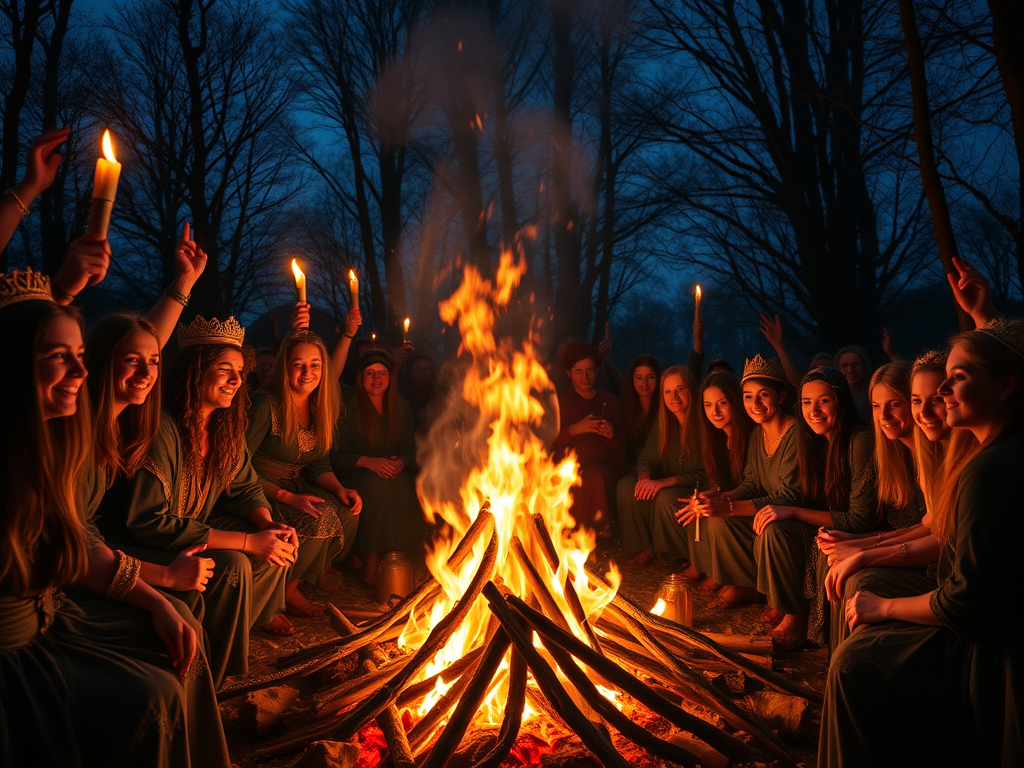
The bonfire stands as a powerful symbol of rebirth, renewal, and the return of light and warmth. It serves as a way to celebrate the arrival of spring and the promise of new life. Even today, some individuals continue to light bonfires or engage in fire-related rituals to mark the spring equinox, often as a means of connecting with nature and celebrating the changing of the seasons.
The Christian holiday of Easter is thought by some academics to have originated from the pagan spring festival of Ostara, which is believed to be directly connected to Eostre, the Anglo-Saxon goddess of spring and dawn, and her profound connection to the spring equinox.
Easter, a celebration that marks the resurrection of Jesus Christ, is observed by Christians worldwide with various traditions and customs. The date of Easter Sunday is calculated as the first Sunday after the full moon following the vernal equinox, which aligns closely with the timing of the ancient pagan festival of Ostara. This time of year symbolises rebirth and renewal, themes that are prevalent in both the Christian and pagan celebrations.
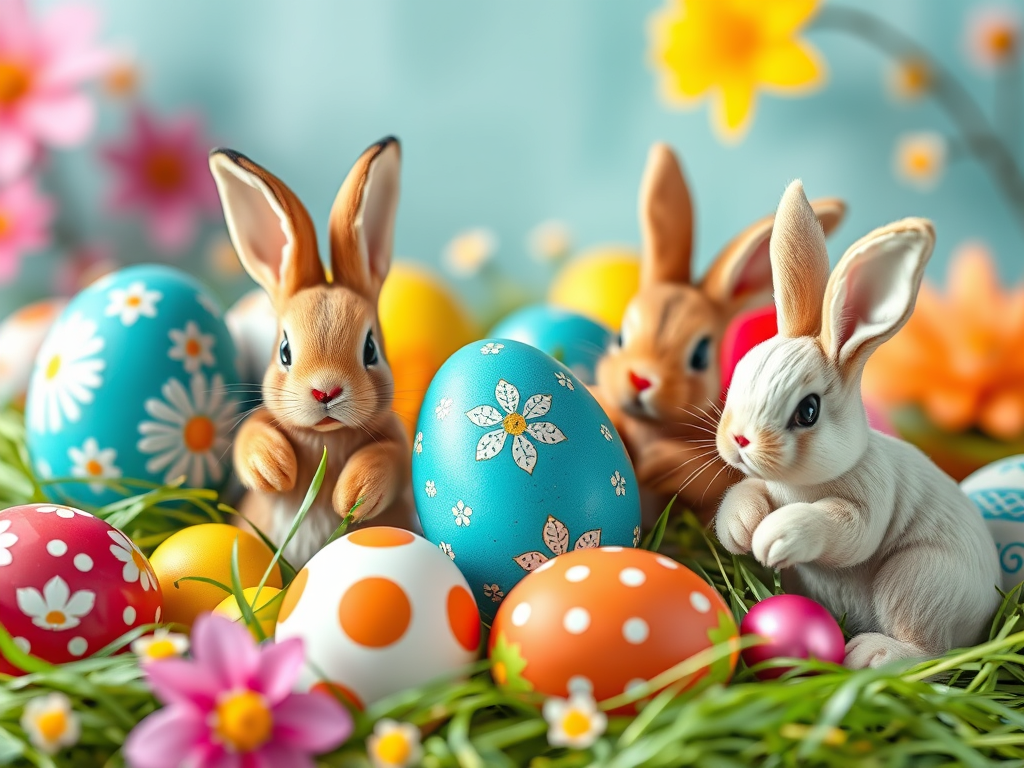
The figure of Eostre is often depicted as a goddess of fertility, growth, and new beginnings, traits that are mirrored in the symbols commonly associated with Easter, such as eggs and rabbits. Eggs, in particular, are seen as emblems of new life and have been used in pagan rituals long before becoming an Easter staple.
The blending of these pagan traditions with Christian beliefs may have been a strategy to make Christianity more appealing to converts by incorporating familiar elements into its celebrations. As a result, many of the customs associated with Easter, such as the Easter egg hunt and the Easter bunny, have roots in these pre-Christian traditions.
Over time, Easter has evolved and assimilated various cultural practices, leading to a diverse range of observances across different communities. While the religious significance of Easter remains central to Christian worship, its historical ties to ancient pagan festivals continue to influence its contemporary celebration, or does it?
Bede’s Account:
The 8th-century scholar Bede stands as the sole historical source that mentions Eostre. In this account, Bede provides valuable insights into ancient feasts held in her honour. Historians and folklorists engage in ongoing debates regarding the existence of Eostre. Some scholars propose that she may have been a revered deity among the Anglo-Saxons, while others question the accuracy of Bede’s account, suggesting it might have been a speculative interpretation.
In addition, ill leave you with this quote from Roger Pearce (2024) “This means that – unsurprisingly – the word “Easter” comes from “Eosturmonath”, not directly from “Eostre”. According to Bede, the name Eostre gave rise to the season Eosturmonth (April) which in turn was used by the Christian English to mean the Christian festival of pasch. So “Easter” is merely a worn down form of Eosturmonath.”
Reference
 The Crafty Witch