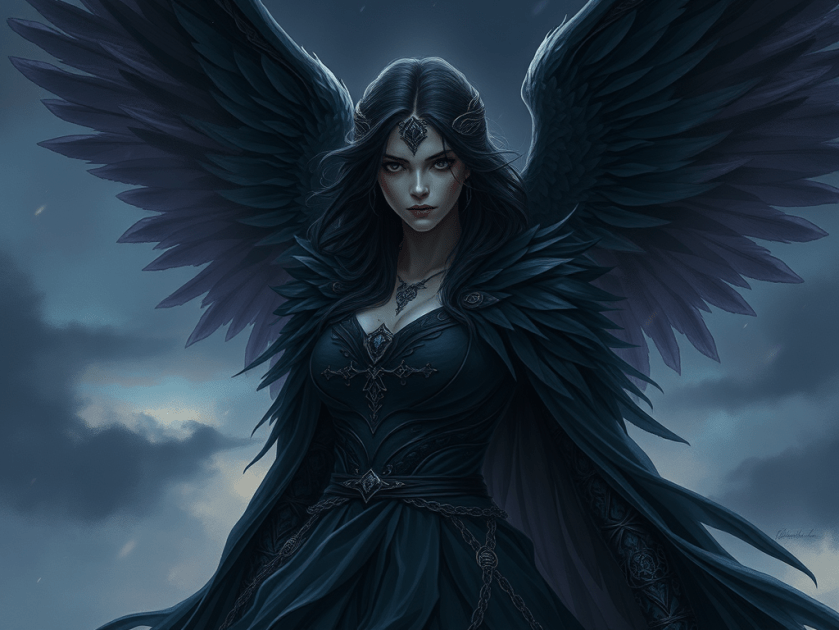
The Morrigan, a powerful goddess from Irish mythology, is often associated with war, fate, and sovereignty. She is from a tribe called the Tuatha Dé Danann, who are known for their magical abilities and connections to the Otherworld.

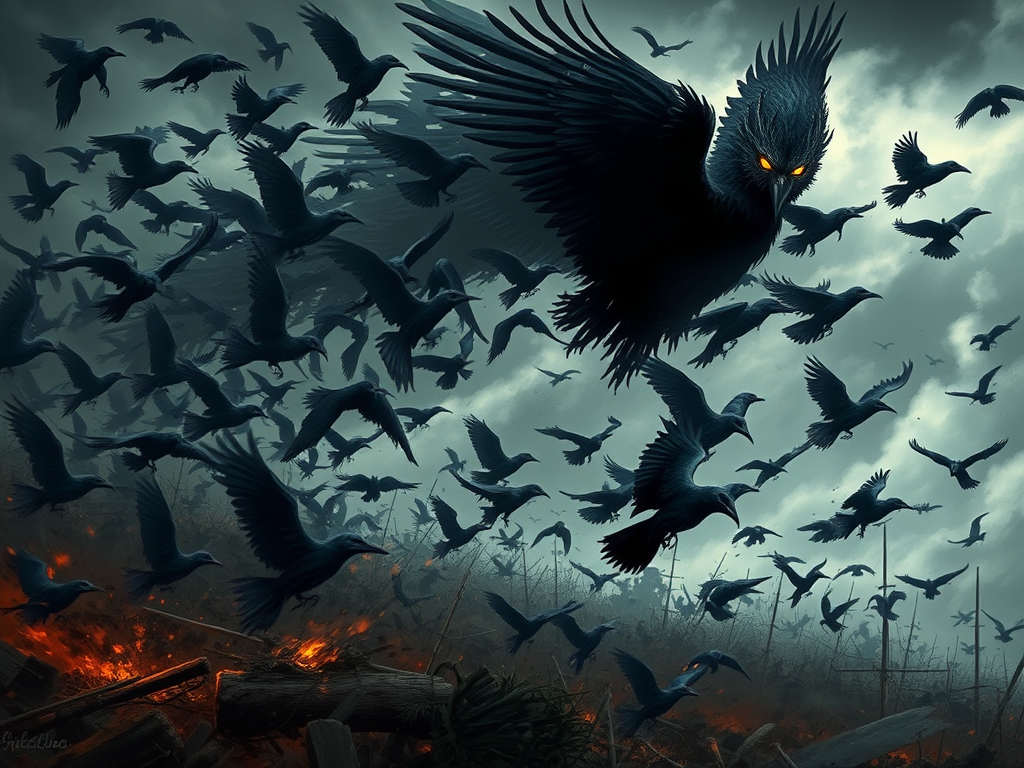
Revered as a symbol of power and inspiration, the Morrigan is frequently depicted as a crow or raven, which serves as a harbinger of death and a guide for warriors in battle. Her presence is both feared and respected, as she embodies the fierce and chaotic nature of conflict while also presiding over the cycles of life and death. The Morrigan’s intricate role within Irish mythology highlights the deep connection between warfare and the divine, as she not only influences the outcomes of battles but also weaves the fates of those involved, making her a formidable figure in the tapestry of ancient Celtic beliefs.
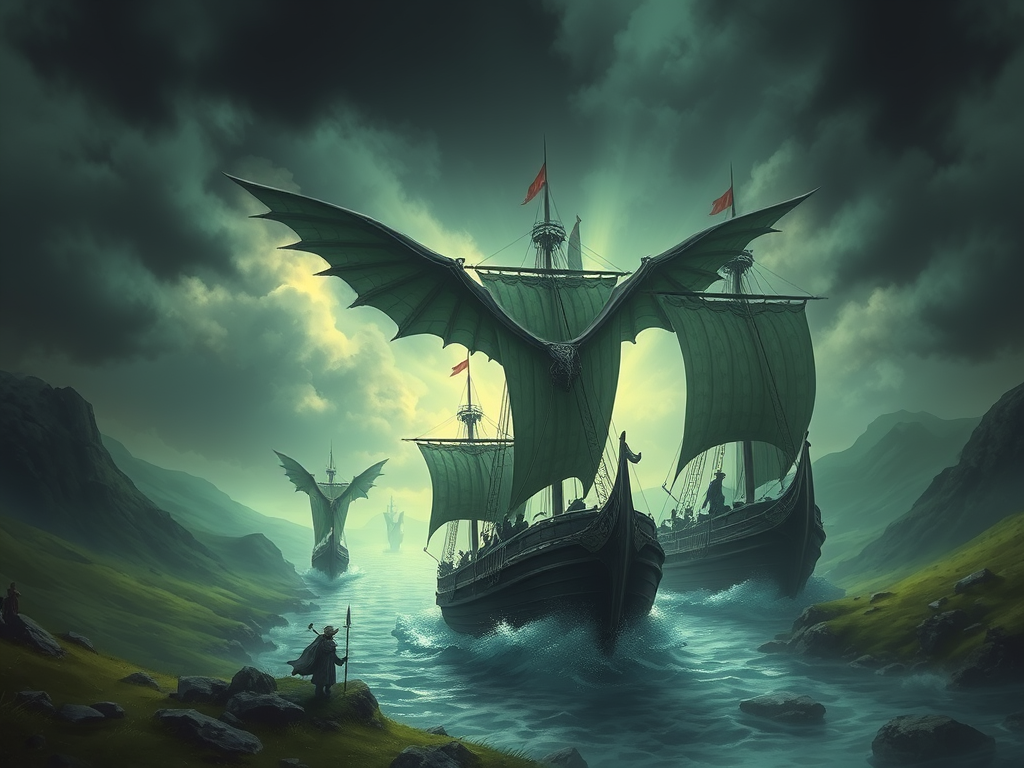
The Tuatha Dé Danann arrived on Irish shore after spending years at sea, weary yet resilient from their long and treacherous journey across tumultuous waters. Legends whispered of their enchanting prowess in magic and artistry, and as they set foot on the emerald isle, they were greeted by the first light of dawn that illuminated their path. Their arrival marked a new chapter in Ireland’s mythological history, as they brought with them not only their unique skills but also a rich tapestry of culture that would intertwine with the destinies of the island’s inhabitants, forever altering the course of its ancient tales.
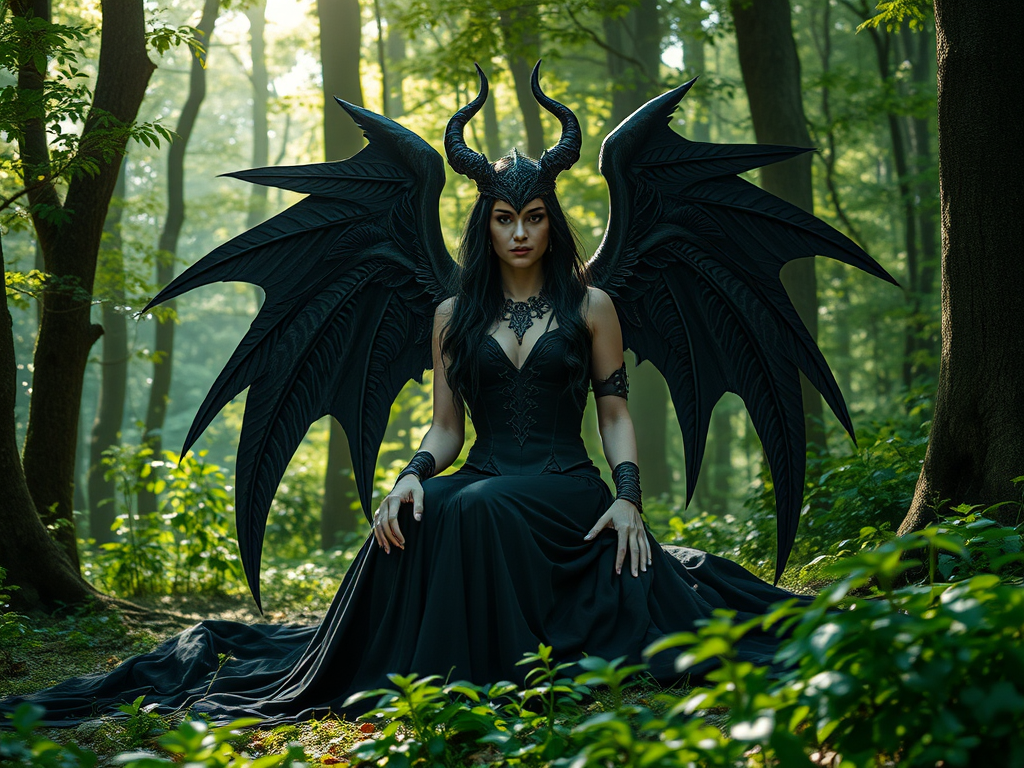
The Morrigan is known for her ability to shape-shift into various forms, including that of a crow, which symbolises her profound connection to the battlefield and the intricate outcome of conflicts. Revered as a goddess of prophecy and battle, the Morrigan plays a crucial role in the stories of heroes and kings, often appearing to foretell their fate or offer guidance in times of peril. Her presence is frequently depicted as a harbinger of doom or a signal of impending change, casting a mysterious aura that captivates the hearts and minds of warriors. Many sought her favor before entering battle, believing that her insights could tip the scales of fortune in their favor. As a multifaceted deity, she embodies both the fierce aspects of war and the wisdom of foresight, illustrating the delicate balance between life and death, victory and defeat. Thus, the Morrigan remains a pivotal figure in Celtic mythology, shrouded in intrigue and reverence, respected for her ethereal power to influence the fates of mortals on the tumultuous paths they tread.
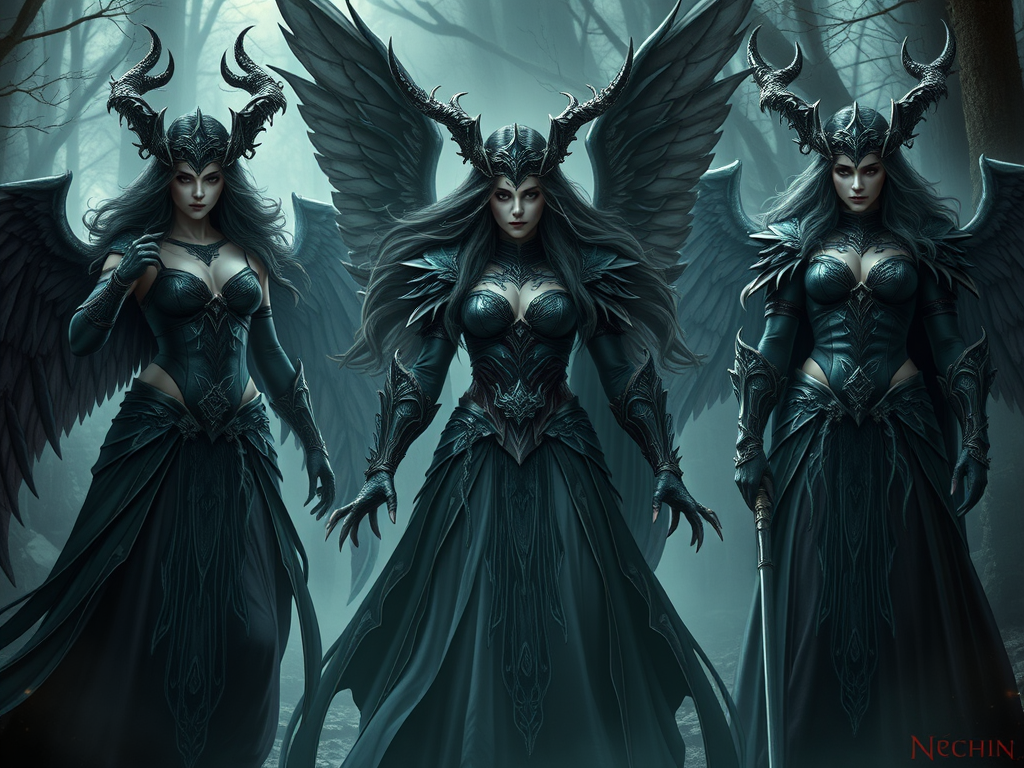
The Morrigan myth encompasses the complex nature of this formidable figure, highlighting the duality and multiplicity of her character. Each of the three aspects—Badhbh, Macha, and Nemain—embodies different elements of war, fate, and sovereignty. Badhbh, often associated with the crow, symbolizes the ravenous chaos of battle, feeding on the slain, while Macha represents the fierce warriors and the strength of the land, often depicted as a protector of the realm. Meanwhile, Nemain embodies the terror that descends upon the battlefield, instilling fear in the hearts of opponents. Together, they reflect the intricate harmony between destruction and creation, life and death, and the cyclical nature of fate. This triadic representation not only illustrates the Morrigan’s role as a powerful goddess but also serves as a reminder of the interconnected threads of destiny woven through the tapestry of existence, emphasizing the depth of her influence over both the mortal and divine realms, where she stands as a guardian and a harbinger of change.
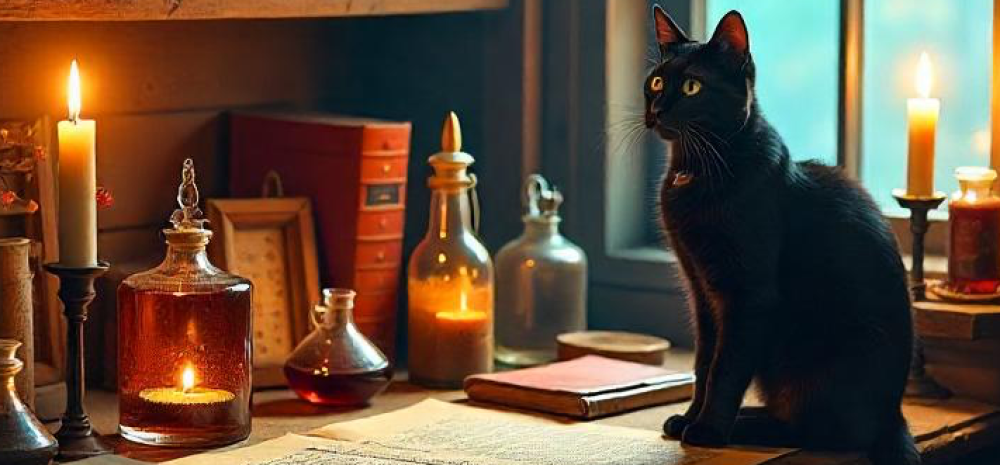
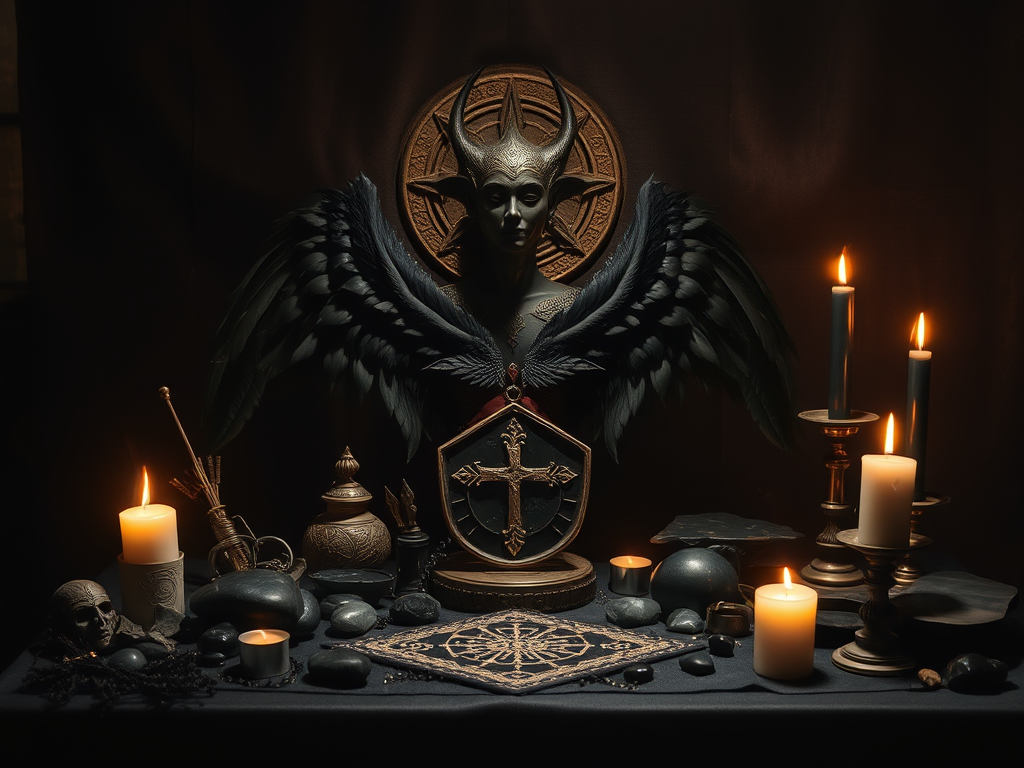
To work with her, practitioners may invoke her through rituals that honour her strengths, such as offerings of black feathers or warrior-themed items, and by meditating on her dual nature of creation and destruction. These rituals often include chants that invoke her name and call upon her spirit to bless the space, surrounding the practitioner with an aura of protection and empowerment. Many also believe that lighting candles in her honour , particularly those in dark colours, enhances the connection, allowing for deeper insights into life’s challenges.
However, some say she will call you when the time is right, guiding you to undertake a personal journey of transformation that requires both courage and wisdom. This calling may come in the form of a gentle whisper or an unexpected event, nudging you towards embracing change. As you embark on this journey, remember that the path is not without trials, but therein lies the essence of true growth. Each obstacle you face serves as a teacher, imparting valuable lessons that fortify your spirit and expand your understanding. With each step forward, you cultivate resilience and clarity, allowing you to navigate the complexities of life with grace. The journey itself becomes a tapestry of experiences, woven with threads of challenge and triumph, ultimately leading you toward your authentic self.
References
Davidson, H. R. Ellis, Myths and Symbols in Pagan Europe (Syracuse NY: Syracuse University Press, 1988)
O’Hara K. The Morrigan in Celtic Mythology: Her Myths, Symbols & Meanings (the Irish Road Trip 2024)
Rees, Alwyn and Brinley, Celtic Heritage (NY: Thames & Hudson, 1994)
Ross, Anne, Pagan Celtic Britain (London: Routledge & Kegan Paul, 1967)
Until next time!


 The Crafty Witch